If you’ve been diagnosed with thyroid nodules, a natural question arises: can thyroid nodules shrink without treatment? Many patients hesitate between immediate intervention and watchful waiting. The reality is not black and white. Some nodules do shrink naturally, but others don’t—and waiting blindly can backfire. Understanding the benefits, risks, and medical realities is essential before choosing any approach.
Book your Appointment here: | Appoinment: |Call +91-7032508468| Whatsapp:+91-7337583901
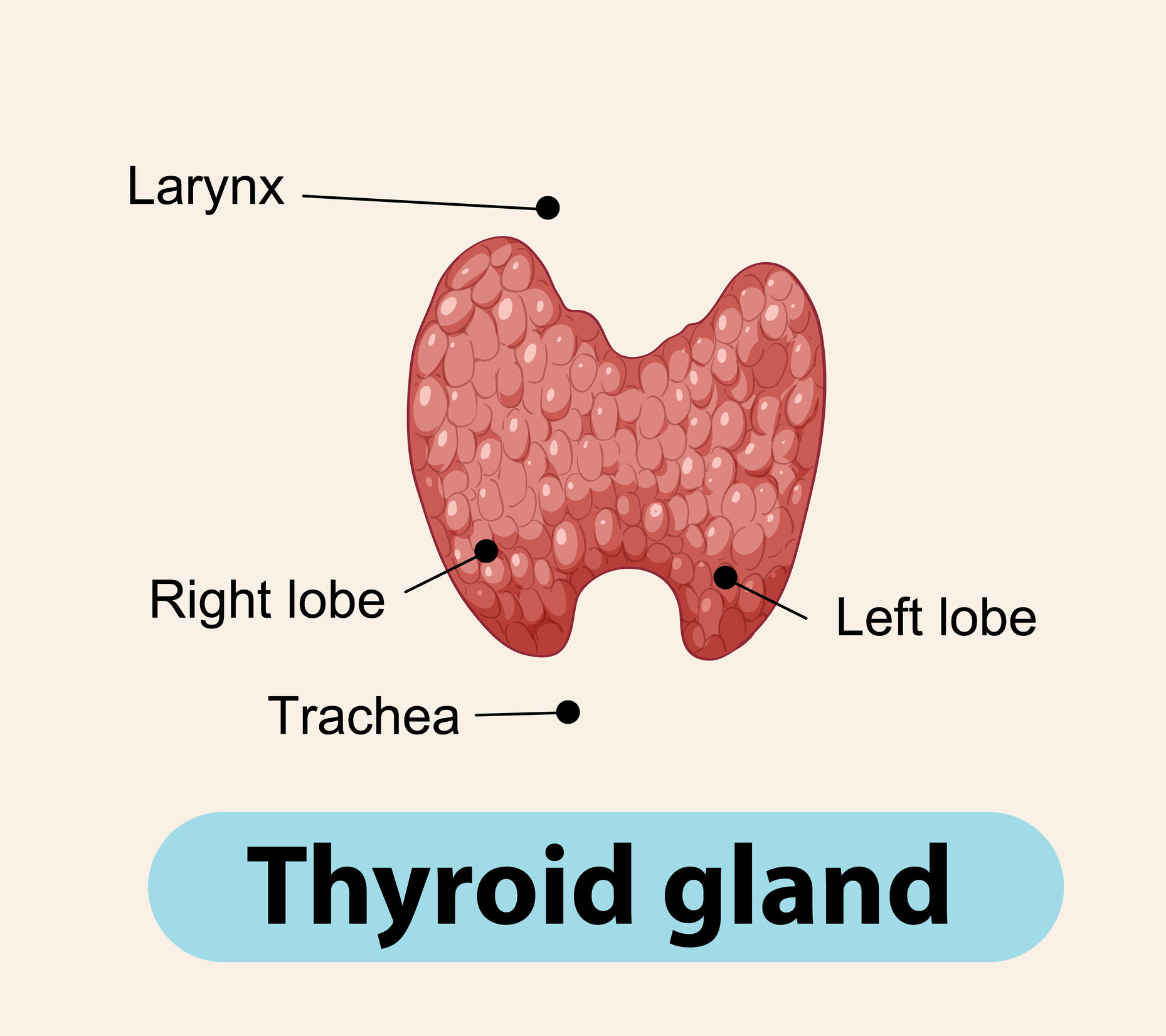
Thyroid nodules are abnormal lumps within the thyroid gland and are extremely common, affecting nearly half of adults by the age of 60. Whether a thyroid nodule shrinks naturally depends on factors such as its structure, size, cause, and biological behavior. Research shows that a subset of benign nodules may reduce in size or even disappear without medical treatment.
When Natural Shrinkage Occurs
Clinical studies suggest that about 15–20% of thyroid nodules may shrink or resolve on their own. This happens most often in small nodules under 1 cm and in fluid-filled (cystic) nodules rather than solid ones. Solid nodules are far less likely to regress spontaneously.
Factors Influencing Natural Resolution
Natural shrinkage is influenced by age, hormonal changes, and the underlying cause of the nodule. Younger individuals tend to experience spontaneous reduction more often. In women, hormonal shifts—especially around menopause—can alter nodule size. Nodules related to inflammation or infection may also shrink once the underlying condition settles.
Cystic Thyroid Nodules
Fluid-filled nodules have the highest chance of shrinking without treatment. The fluid may be reabsorbed or drain naturally, leading to partial or complete size reduction.
Inflammatory Thyroid Nodules
Nodules caused by thyroiditis or inflammatory conditions may decrease once inflammation resolves. This process can take months and requires careful monitoring.
Colloid Nodules
Colloid nodules may fluctuate in size depending on thyroid hormone activity. In some cases, they reduce naturally, though shrinkage is unpredictable.
Dietary Modifications
Diet alone will not shrink thyroid nodules, but nutritional balance matters. Adequate iodine intake (not excess), selenium-rich foods, and anti-inflammatory diets may support overall thyroid function.
Lifestyle Changes
Chronic stress disrupts hormonal balance. Stress-management practices such as yoga, meditation, adequate sleep, and regular exercise can support thyroid health indirectly.
Nutritional Supplements
Supplements like selenium, vitamin D, and omega-3 fatty acids are often discussed. While they may support thyroid health, there is no strong evidence proving that supplements can reliably shrink thyroid nodules.
Avoiding Unnecessary Medical Procedures
Many thyroid nodules are benign and never cause problems. Observation avoids interventions that may not be medically necessary.
No Treatment-Related Risks
Watchful waiting avoids surgical risks, anesthesia complications, scarring, and post-treatment hormone dependence.
Cost Savings
Monitoring with periodic ultrasounds and blood tests is significantly cheaper than surgery or ablation procedures.
Preserving Normal Thyroid Function
Avoiding treatment reduces the risk of hypothyroidism and the need for lifelong thyroid hormone replacement.
Minimal Lifestyle Disruption
Patients can continue daily activities without downtime, recovery periods, or hospital stays.
Ongoing Anxiety and Uncertainty
Living with untreated nodules often creates mental stress due to fear of growth or cancer risk, even when statistically low.
Risk of Nodule Growth
Some nodules grow instead of shrinking. Larger nodules are harder to treat and may require more invasive procedures later.
Delayed Cancer Diagnosis
While uncommon, thyroid cancer can be missed or detected late if nodules are not monitored properly.
Symptom Worsening
Pressure symptoms like difficulty swallowing, breathing issues, or voice changes can worsen over time if nodules enlarge.
Reduced Treatment Options Later
Delayed intervention can limit non-surgical options, forcing surgery as the only viable choice.
Ideal Candidates for Observation
Patients with small, stable nodules, no symptoms, normal thyroid hormone levels, and benign biopsy results are better suited for watchful waiting.
Importance of Regular Monitoring
Even with natural approaches, monitoring is non-negotiable. Ultrasound imaging, thyroid blood tests, and clinical evaluations are essential to track changes.
Setting Realistic Expectations
Natural shrinkage is not guaranteed. If it happens, it often takes months or years. Expecting fast or dramatic results leads to poor decisions.
Rapid or Significant Growth
An increase of more than 20% in size or sudden enlargement requires immediate medical evaluation.
Development of Symptoms
Breathing difficulty, swallowing problems, or voice changes are red flags that demand treatment.
Suspicious Imaging Changes
Irregular borders, increased blood flow, or calcifications on imaging require urgent assessment.
Hormonal Overactivity
Nodules producing excess thyroid hormones must be treated to prevent heart, bone, and metabolic complications.
An Integrative Strategy
Many patients benefit from combining lifestyle optimization with structured medical monitoring rather than choosing extremes.
Complementary Support
Natural measures can support overall thyroid health but should never replace diagnostic evaluation or follow-up.
Role of Professional Guidance
Doctors experienced in both conservative monitoring and active treatment can guide safe, flexible decision-making.
Individualized Evaluation
There is no universal rule. Decisions must be based on ultrasound findings, biopsy results, symptoms, risk factors, and patient preferences.
Risk-Benefit Analysis
Weigh the possibility of natural shrinkage against the risks of delayed treatment. Emotional stress and quality of life matter as much as medical data.
Continuous Reassessment
What works today may not work a year later. Treatment plans should evolve based on nodule behavior and patient needs.
Expert Recommendation
Dr. Shaileshn Kumar GARGE of Citi Vascular Hospital emphasizes that while some thyroid nodules may shrink naturally, observation must always be structured and supervised. Regular monitoring is essential, and patients should be ready to switch to treatment if risk factors emerge.
Thyroid nodules can shrink without treatment—but only in a minority of cases. Waiting can be reasonable for carefully selected patients, but blind observation is risky. The smartest approach balances realistic expectations, structured monitoring, and timely intervention when needed.
For expert evaluation and personalized guidance on thyroid nodule management, consult Dr. Shaileshn Kumar GARGE at Citi Vascular Hospital, K.P.H.B Road No. 1, Hyderabad. Call 7337583901 for clarity on whether watchful waiting or treatment is the right choice for you.
How long should I wait to see if a thyroid nodule shrinks naturally?
Most changes occur within 6–12 months, though some nodules may take up to 2 years. Follow-up every 6 months is usually recommended.
What percentage of thyroid nodules shrink without treatment?
Approximately 15–20%, with cystic nodules having a higher likelihood than solid ones.
Can supplements shrink thyroid nodules naturally?
No supplement has proven effectiveness in reliably shrinking thyroid nodules. Supplements should only be used under medical advice.
Book your Appointment here: | Appoinment: |Call +91-7032508468| Whatsapp:+91-7337583901