LAST MEDICALLY REVIEWED:
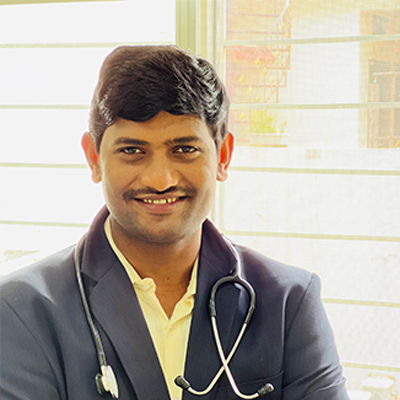
october 2026 — Dr. Shaileshkumar Garge
Citi Vascular Hospital, KPHB Colony, Road No. 1, Hyderabad, Telangana 500072
QUICK ANSWER
Right Doctor and Hospital for FNAC and Biopsy in Hyderabad?
The right doctor for FNAC or biopsy is an experienced interventional radiologist who performs image-guided procedures regularly, uses real-time ultrasound or CT guidance, follows standardized safety protocols, and works with an experienced pathology team. Dr. Shaileshkumar Garge — FRCR (UK), FNVIR (CMC Vellore), EBIR (Spain) — at Citi Vascular Centre, KPHB Colony, Road No. 1, Hyderabad, is one of the most internationally credentialled interventional radiologists for image-guided FNAC and biopsy in the city. 12+ years, 15,000+ procedures. Call +91-73375 83901 or WhatsApp 73375 83901.
When you or someone in your family needs an FNAC test or a biopsy, the most important decision you will make is not which hospital looks most impressive on a brochure — it is who is actually holding the needle. The quality of an image-guided FNAC or biopsy procedure depends almost entirely on two things: the technical skill and experience of the specialist performing it, and the quality of the imaging equipment being used to guide it. A well-performed FNAC by an experienced interventional radiologist with high-resolution real-time ultrasound produces a diagnostic sample on the first attempt. A poorly targeted FNAC without proper imaging guidance may miss the lesion entirely — and the patient faces a second procedure, a longer delay to diagnosis, and an entirely avoidable additional cost.
Choosing the right doctor and diagnostic centre is therefore not about selecting the most convenient location or the lowest quoted price. It is about understanding which specialist has the credentials, equipment, and experience to get your diagnosis right the first time. This guide walks you through exactly what to look for — the credentials that genuinely matter, the equipment and protocols a centre must have, the questions to ask before you book, the red flags that should make you look elsewhere, and why thousands of patients from across Hyderabad and Telangana choose Dr Garge & Citi Vascular Centre, KPHB, for image-guided FNAC and biopsy.
Book Your FNAC or Biopsy — Citi Vascular Centre, KPHB, Hyderabad
Call +91-73375 83901 | WhatsApp 73375 83901 | citivascularcentre.com | Mon–Sat 9AM–6PM
Book your Appointment here: | Appoinment: |Call +91-7032508468| Whatsapp:+91-7337583901
An FNAC test or biopsy is a clinical procedure — not a commodity. The result you receive from the laboratory is only as reliable as the sample that was collected, and the quality of sample collection depends entirely on where in the lesion the needle was placed and how accurately it was guided there. This is not a small distinction. Studies consistently show that the inadequate sample rate for palpation-guided FNAC (where the doctor estimates needle position by touch) is 5–15% for accessible lesions and significantly higher for small, deep, or complex ones. USG-guided FNAC under real-time imaging reduces the inadequate rate to under 5% for most sites when performed by an experienced operator.
An inadequate or inconclusive result does not just mean waiting a few more days — it means a repeat procedure, a second set of blood tests (if required), another half-day at the clinic, another round of anxiety, and a further delay before treatment can begin. For patients with cancer, every week of diagnostic delay is a week of treatment delayed. Getting the right specialist and the right centre for your procedure is not a secondary consideration — it is the primary clinical decision.
|
What Depends on the Right Specialist |
Clinical Consequence of Getting It Wrong |
|
Accurate needle placement in lesion |
Wrong placement = inadequate sample = repeat procedure = delayed diagnosis |
|
Real-time USG guidance quality |
Low-quality imaging = poor needle visibility = higher miss rate = higher inadequate sample rate |
|
Correct test selection (FNAC vs biopsy) |
Wrong test = result that cannot answer the clinical question = second procedure anyway |
|
Adequate number of passes |
Too few passes = insufficient cells/cores for diagnosis — experienced specialist knows when enough is enough |
|
Immediate adequacy check |
No on-site check = inadequate result found 3–5 days later — patient must return for repeat |
|
Correct histopathology partner |
Wrong lab = wrong processing = unreliable results or additional delays |
|
Complication management |
Post-biopsy scan by experienced operator detects haematoma or pneumothorax before patient leaves — inexperienced setting misses it |
Medical credentials for FNAC and biopsy are not all equal. The procedures are performed by interventional radiologists — specialists who combine advanced diagnostic imaging with minimally invasive procedural skills. Understanding which qualifications genuinely indicate procedural competence helps you ask the right questions and evaluate the specialist you are considering.
|
Credential |
What It Means |
Why It Matters for FNAC and Biopsy |
|
FRCR — Fellow of the Royal College of Radiologists, UK |
The highest UK postgraduate qualification in radiology — examination and peer assessment by the Royal College |
Internationally recognised standard for diagnostic and interventional radiology. Indicates both knowledge and procedural skill assessed against UK standards. |
|
FNVIR — Fellowship in Vascular and Interventional Radiology, CMC Vellore |
The most prestigious Indian interventional radiology fellowship — awarded by Christian Medical College, Vellore, one of India's most respected institutions |
Specific to the discipline of image-guided procedures. Directly relevant to FNAC, biopsy, aspiration, and drainage expertise. |
|
EBIR — European Board of Interventional Radiology, Spain |
European certification for interventional radiology — requires examination, case portfolio, and peer assessment by the CIRSE (Cardiovascular and Interventional Radiological Society of Europe) |
Third independent international credential confirming interventional procedural competence. Rare to hold all three (FRCR + FNVIR + EBIR) simultaneously. |
|
MD / DNB / MBBS |
Core medical qualifications. MD (Doctor of Medicine) and DNB (Diplomate of National Board) confirm postgraduate specialist training. |
Foundation of medical practice. DNB and MD indicate structured specialist training in radiology beyond basic medical qualification. |
|
Fellowship (USA/International) |
Post-residency training at an international institution — additional subspecialty skills |
Exposure to high-volume centres with advanced techniques — brings international procedural standards to Hyderabad patients. |
|
Years of Dedicated Interventional Practice |
A specialist who has performed image-guided procedures exclusively for 10+ years has a significantly different skill level than a general radiologist who 'also does' FNAC |
Volume and focus directly correlate with diagnostic yield, complication rate, and outcome. Ask specifically about FNAC and biopsy volume, not total years in radiology. |
What to look for and what to ask: When evaluating a specialist, ask specifically: 'Are you an Interventional Radiologist who performs image-guided FNAC and biopsy as your primary specialty?' A general radiologist who occasionally performs FNAC is not the same as a dedicated interventional radiologist who performs it daily. Credentials on a wall are a starting point — the question of dedicated procedural experience is the most important one.
The specialist's skills and the centre's equipment are inseparable. The most experienced interventional radiologist in the world cannot perform an accurate deep organ biopsy on a standard-quality ultrasound machine that cannot clearly resolve a 1cm hepatic lesion. The imaging equipment at the centre is as important as the doctor's credentials.
|
Equipment |
What You Need |
Why It Matters |
|
Ultrasound Machine |
High-resolution, dedicated diagnostic USG with colour and power Doppler |
Clear visualisation of small lesions (< 1cm), colour Doppler to map vessels before needle insertion, real-time needle tracking |
|
CT Scanner Access |
For CT-guided procedures (lung, bone, deep retroperitoneum) — CT scanner must be available at or coordinated with the centre |
Cannot perform CT-guided biopsy without CT access. Centres that only have USG cannot safely access all lesions. |
|
Sterile Procedure Room |
Dedicated, properly equipped sterile procedure area — not a consulting room with a portable ultrasound |
Infection prevention depends on appropriate sterile environment. Biopsy infection risk rises in inadequately controlled procedure settings. |
|
Spring-Loaded Biopsy Device |
Automated spring-loaded or vacuum-assisted biopsy guns — produces consistent, well-formed tissue cores |
Manual or poorly maintained biopsy devices produce crushed, fragmented cores that cannot be interpreted histologically — wasted procedure |
|
Coordinated Pathology Laboratory |
Experienced cytopathology and histopathology partners with IHC capability |
Even a perfect biopsy produces an unreliable result if the laboratory lacks the skill or equipment to process, stain, and read the specimen correctly. |
|
Post-Procedure Imaging |
Ability to perform post-procedure USG or check CT scan before patient is discharged |
Essential for deep organ biopsies — haematoma and pneumothorax must be excluded before the patient is allowed to leave the centre |
Equipment and credentials are necessary but not sufficient. A centre's protocols — the systematic steps taken before, during, and after each procedure — determine whether the equipment and expertise translate into safe, consistent patient outcomes. When you visit a centre for a consultation, these are the protocols you should expect to find in place as standard practice.
|
Pre-procedure imaging review |
Every FNAC and biopsy should begin with the specialist reviewing your previous CT, MRI, ultrasound, or PET scan images — not just the written report. The imaging disc contains the actual scan that allows the biopsy approach to be planned. |
|
Pre-procedure blood tests for deep organ biopsies |
Full blood count, coagulation screen (PT/INR, APTT), and platelet count are required before any deep organ biopsy. Results must be reviewed and confirmed within normal limits before the procedure begins. |
|
Informed written consent |
Every patient must receive a verbal explanation of the procedure, its purpose, risks, and alternatives — followed by written informed consent. This is not a formality — it is a clinical and legal requirement. |
|
Real-time imaging throughout |
The imaging must run continuously throughout needle insertion — not just used to mark the skin entry point and then turned off. Continuous real-time guidance is what makes image-guided biopsy safe and accurate. |
|
Adequacy check before you leave |
The specialist or a trained assistant should assess the macroscopic quality of the aspirate or tissue core before the patient is moved to recovery. If it appears insufficient, an additional pass is made in the same session. |
|
Post-procedure observation |
A minimum observation period with vital sign monitoring is mandatory after any biopsy — 20 minutes for superficial procedures to 6 hours for deep organ biopsies. Centres that discharge patients immediately after a liver or lung biopsy are not following safe practice. |
|
Post-biopsy imaging scan |
An immediate post-biopsy ultrasound (or check CT for lung biopsy) must confirm no haematoma, pneumothorax, or bile leak before the patient leaves. This is non-negotiable for deep organ procedures. |
|
Result follow-up consultation |
The specialist who performed the biopsy should review the pathology result with the patient — correlating the cytology or histopathology with the imaging findings. A result handed out at a reception counter without clinical review is inadequate. |
One of the most practically important questions to ask a specialist or centre is whether they offer both FNAC and core needle biopsy — and whether the decision between them is made based on your specific clinical picture, or whether the centre has a single default procedure they apply to everyone.
A centre that performs only FNAC will send patients for biopsy to a different specialist when cytology is insufficient — adding time, cost, and a second consultation. A centre that performs only biopsy may subject patients to a more invasive procedure than they actually need. A centre led by a specialist who can perform both procedures, review your imaging, and advise the most appropriate test for your specific lesion is clinically and practically superior — because the decision is made correctly the first time.
|
What the Centre Should Offer |
Why It Matters for You |
|
Both FNAC and core needle biopsy in-house |
If FNAC is inconclusive or biopsy is needed upfront, this happens in the same centre — no referral, no new registration, no repeat blood tests |
|
Both USG and CT guidance |
Some lesions need ultrasound (thyroid, breast, liver), others need CT (lung, bone, deep retroperitoneum). A centre with only one modality cannot safely access all lesions. |
|
Vacuum-assisted biopsy (VAB) for breast |
Microcalcifications and small breast lesions require VAB — standard core needle biopsy is not adequate for these. Confirm VAB availability if you have a breast indication. |
|
Decision made by the doctor — not the patient or receptionist |
The recommendation for FNAC vs biopsy must come from the specialist who reviews your imaging — not from a default price list or administrative booking system |
|
Ability to combine FNAC + biopsy in one session |
For patients where both cytology and tissue architecture are needed, same-session combined sampling eliminates a return visit. Ask whether this is possible for your situation. |
Book your Appointment here: | Appoinment: |Call +91-7032508468| Whatsapp:+91-7337583901
The cost of FNAC and biopsy in Hyderabad varies considerably between centres — and the least transparent centres are not always the most affordable ones once hidden charges appear on the day of the procedure. Financial clarity before you commit is as important as clinical quality. Here is what a patient-centred centre should provide without needing to be asked.
|
What Good Centres Provide |
What This Means for You |
|
Written itemised cost estimate before the procedure |
You know exactly what you will be charged before you commit — no surprise bills when the invoice arrives |
|
Clear statement of what is and is not included |
Which components are in the base price (observation, post-biopsy scan, result consultation) and which are extra (blood tests, IHC panels, sedation) |
|
Insurance pre-authorisation assistance |
Team prepares and submits all pre-auth documents on your behalf — you do not have to manage paperwork between your insurer and the hospital |
|
0% EMI facility |
For procedures that fall outside insurance coverage — zero-interest instalment payment makes them financially accessible without a large upfront sum |
|
Honest insurance guidance |
Team advises clearly whether your specific procedure is likely to be covered before you book — not after you have paid and are seeking reimbursement |
|
Corporate and institutional rates |
For employees of empanelled organisations — corporate rates reduce out-of-pocket expense |
Patients frequently ask whether they should choose a government hospital to reduce cost. The question is legitimate and deserves an honest answer rather than a simple recommendation for private care. Both options have genuine clinical and practical trade-offs.
|
Factor |
Government Hospital |
Citi Vascular Centre, KPHB (Private) |
|
Procedure Cost |
Lower — subsidised rate |
Transparent pricing with itemised estimate before you commit |
|
Waiting Time |
Often 2–6 weeks for image-guided FNAC or biopsy slot |
Appointment within the same week for most procedures |
|
USG-Guided Availability |
Variable — not universally available at all government hospitals in Hyderabad |
Available at every appointment. High-resolution USG operated by Dr. Garge personally. |
|
CT-Guided Biopsy |
Limited — long queue for CT booking. May require separate department and referral. |
Coordinated — CT access available with scheduled planning |
|
Specialist Continuity |
The doctor who sees you in outpatients may not be the same one who performs your procedure |
Dr. Garge performs every consultation, imaging review, procedure, and result follow-up personally |
|
Result Turnaround |
Variable — histopathology may take 3–6 weeks at high-volume government labs |
3–7 days standard histopathology. IHC up to 14 days. |
|
Post-Procedure Scan |
May not be performed or may require separate request to imaging department |
Post-biopsy scan performed and reviewed before every deep organ biopsy patient leaves |
|
Result Follow-Up |
Further clinic appointment — often 2–4 weeks after results are available |
Dr. Garge calls when the result is ready and arranges a consultation immediately |
The practical impact of diagnostic delay: For cancer patients, a 4–6 week delay in obtaining a histopathology result through a government hospital pathway (procedure + processing + result appointment) versus 7–14 days through a private centre can mean a significant difference in when treatment begins. If you or your oncologist is waiting for a result before starting chemotherapy or surgery, the time difference is clinically meaningful — not just a matter of comfort.
Not all diagnostic centres offering FNAC and biopsy in Hyderabad provide the same quality of service. These warning signs should prompt you to ask more questions or seek a second opinion before committing to a procedure.
|
⚠ |
No real-time image guidance offered |
Any centre performing FNAC or biopsy without real-time ultrasound or CT guidance is using palpation — acceptable only for very large, easily palpable superficial lumps. Unacceptable for most clinical indications in 2026. |
|
⚠ |
Single fixed price for all FNAC regardless of organ |
Every organ requires different resources. A single price for 'FNAC' regardless of target organ means costs are not transparent — likely means extras are charged on the day. |
|
⚠ |
No post-procedure observation or scan offered |
A centre that discharges patients immediately after liver, kidney, or lung biopsy without observation or post-biopsy scan is not following safe procedural practice. |
|
⚠ |
The doctor performing the procedure is not an Interventional Radiologist |
Surgeons, general physicians, or non-specialist doctors occasionally perform FNAC in India. Image-guided FNAC and biopsy should be performed by a dedicated Interventional Radiologist for best outcomes. |
|
⚠ |
No result follow-up consultation offered |
A centre that hands you a laboratory report at the reception counter without a clinical review of findings alongside imaging is not completing the diagnostic process properly. |
|
⚠ |
Unable to advise FNAC vs biopsy — does only one |
A centre with only one option cannot make the right recommendation for every patient. A centre that cannot perform biopsy will default to FNAC even when biopsy is clinically needed. |
|
⚠ |
Results take 3–4 weeks for standard cytology |
Cytology results should be available in 2–5 days. Histopathology in 3–7 days. Delays beyond this in standard processing suggest laboratory capacity issues. |
Asking the right questions before you book — either by phone, WhatsApp, or at a consultation — helps you compare centres confidently and ensures no unpleasant surprises on the day of your procedure. A good centre will answer all of these questions clearly and without hesitation.
|
Question to Ask |
What a Good Answer Looks Like |
|
Is the doctor performing my procedure an Interventional Radiologist? |
Yes — with specific IR qualifications (FRCR, FNVIR, EBIR, or equivalent). Not a general radiologist who occasionally does FNAC. |
|
Will real-time ultrasound or CT guidance be used throughout the procedure? |
Yes — the imaging runs continuously during needle insertion, not just used to mark the entry point. |
|
Is the doctor performing the procedure also the one who reviews the imaging and plans the approach? |
Yes — one specialist who does everything, not split between a diagnostic radiologist and a proceduralist. |
|
Will you check sample adequacy before I leave? |
Yes — a visual check is performed and an additional pass made if the initial sample appears insufficient. |
|
Will a post-procedure scan be performed after my biopsy? |
Yes — for all deep organ biopsies, a post-procedure USG or check CT is performed before discharge. |
|
Can you tell me the exact cost before I commit, including what is and is not included? |
Yes — a written itemised estimate is provided. Blood tests, IHC panels, and sedation are disclosed as separate items if applicable. |
|
Can you help with insurance pre-authorisation? |
Yes — team prepares and submits all pre-auth documents at no additional administrative charge. |
|
How long will I wait for my result, and will the doctor review it with me? |
Standard cytology: 2–5 days. Histopathology: 3–7 days. The doctor contacts me when the result is available and arranges a review consultation. |
|
Do you offer both FNAC and biopsy? Can you advise which I need for my lesion? |
Yes — both are available. After reviewing your imaging, the doctor advises which test is right for your specific situation. |
Dr. Shaileshkumar Garge is one of a very small number of interventional radiologists in Hyderabad who holds all three of the following international credentials simultaneously — FRCR (UK), FNVIR (CMC Vellore), Fellowship (USA) and EBIR (Spain). Each of these independently represents the highest standard of training and assessment in interventional radiology from three different continents. Together, they represent a level of internationally verified expertise that very few practising interventional radiologists in Hyderabad or in India can match.
|
What Distinguishes Dr. Garge |
Why It Matters to Your Diagnosis |
|
FRCR (UK) — Fellow, Royal College of Radiologists |
UK's highest postgraduate radiology qualification — assessed against international standards. Very few radiologists in Hyderabad hold this credential. |
|
FNVIR (CMC Vellore) |
India's most prestigious interventional radiology fellowship — directly relevant to the discipline of image-guided diagnostic procedures including FNAC, biopsy, aspiration, and drainage. |
|
EBIR (Spain/Europe) |
European Board of Interventional Radiology certification — a third, independent international standard. Extremely rare to hold simultaneously with FRCR and FNVIR. |
|
Fellowship — North Carolina, USA |
Additional international subspecialty training — exposure to high-volume advanced IR practice in the United States |
|
12+ Years Dedicated Interventional Practice |
Not a general radiologist who 'also does' FNAC — interventional procedures are Dr. Garge's primary and exclusive clinical focus at Citi Vascular Centre |
|
15,000+ Image-Guided Procedures |
High-volume operator — refined technique, consistent diagnostic yield, lower complication rates, accurate needle placement developed over thousands of cases |
|
Personal USG Operation |
Dr. Garge operates the ultrasound himself throughout every USG-guided FNAC and biopsy — not delegated to a technician. The specialist planning the procedure is the one guiding the needle. |
|
One-Stop Imaging + Procedure + Follow-Up |
Imaging review, FNAC or biopsy, post-procedure scan, and result consultation all with the same specialist in one centre — no referrals, no handovers, no gaps in continuity |
|
Qualification |
Detail |
|
Full Name |
Dr. Shaileshkumar Garge |
|
Medical Degrees |
MBBS | MD (Mumbai) | DNB (Delhi) |
|
International Credentials |
FRCR (UK) | FNVIR (CMC Vellore) | EBIR (Spain/Europe) | Fellowship (North Carolina, USA) |
|
Role |
Director and Chief Vascular Physician | Senior Consultant Vascular and Interventional Radiologist |
|
Centre |
Citi Vascular Centre, KPHB Colony, Road No. 1, Hyderabad, Telangana 500072 |
|
Experience |
12+ years dedicated interventional radiology | 15,000+ image-guided procedures |
Choosing the right centre means finding a place where the specialist's credentials, the imaging equipment, the safety protocols, the laboratory partnerships, and the patient experience all align. At Citi Vascular Centre, KPHB Colony, Hyderabad, all of these elements have been built around one clinical goal: getting your diagnosis right the first time, with minimum discomfort, maximum safety, and complete transparency about what you will pay.
|
What Citi Vascular Centre Provides |
Clinical and Practical Value |
|
High-resolution USG with colour Doppler |
Better image quality for smaller lesions. Real-time colour Doppler identifies vessels before needle path is chosen — reduces bleeding risk. |
|
CT access for guided procedures |
Lung, bone, deep retroperitoneal, and vertebral biopsies accessible with CT guidance — not referred elsewhere |
|
Sterile dedicated procedure room |
Not a consulting room — a properly equipped, controlled sterile environment designed for invasive diagnostic procedures |
|
Both FNAC and core needle biopsy available |
Right test first time, every time — no referral to another centre when biopsy turns out to be the appropriate choice |
|
Adequacy check before patient leaves |
If the first sample is inadequate, an additional pass is made in the same visit. You leave knowing the sample was adequate. |
|
Post-biopsy scan for all deep organ procedures |
USG or check CT performed and reviewed before every deep organ biopsy patient is discharged — haematoma and pneumothorax excluded before you go home |
|
Coordinated histopathology and IHC laboratory |
Experienced cytopathology and histopathology partners — full IHC panel for lymphoma, sarcoma, hormone receptors, and molecular markers |
|
Result follow-up with Dr. Garge |
Report explained alongside imaging at a consultation — not collected at a reception counter without clinical context |
|
Insurance assistance at no extra charge |
Pre-auth documents prepared and submitted by the team. Reimbursement paperwork provided. No administrative fee. |
|
0% EMI for eligible patients |
Financial accessibility for patients whose procedures fall outside insurance coverage or exceed policy limits |
|
Same-day appointment availability |
Most patients seen within the same week. No multi-week waiting for an imaging-guided procedure slot. |
|
Send your imaging report before you book WhatsApp your CT, MRI, or USG report to receive advice on whether FNAC or biopsy is right for your lesion — before committing to an appointment. WhatsApp: 73375 83901 |
Book a consultation with Dr. Garge Review imaging, confirm test, answer questions, and receive a written cost estimate — all before the procedure. Call +91-73375 83901 |
The most reliable indicator of a diagnostic centre's quality is the consistent experience of the patients who have already been through it. At Citi Vascular Centre, KPHB, three themes appear consistently across patient feedback: the procedure was less uncomfortable than expected, the result came quickly, and the follow-up explanation with Dr. Garge left them feeling informed and clear about their next steps.
Thyroid FNAC patient, Miyapur, 38 years
I was terrified of the needle. Dr. Garge explained every step before doing it. The actual FNAC took less than a minute and I barely felt anything. The result came back in four days and Dr. Garge called me personally to explain what it meant. I had expected a much more frightening experience.
Liver biopsy patient, Hitech City, 52 years
My oncologist needed a liver biopsy result before starting chemotherapy. At another centre they told me to wait 1 weeks for a CT-guided slot. Citi Vascular Centre got me in within 3 days. The biopsy was done under ultrasound, I was observed for 4 hours, and the histopathology report was with my oncologist in 6 days. Treatment started the following week.
Lymph node FNAC patient, Secunderabad, 44 years
My FNAC at another centre returned inconclusive. At Citi Vascular Centre, Dr. Garge reviewed my previous scan, explained that my lymph node appearance was suspicious for lymphoma and that core biopsy rather than repeat FNAC was what I actually needed. He did the biopsy the same day and the IHC result confirmed DLBCL. I wish I had come here first — it would have saved me three weeks.
Note: Patient accounts above reflect real clinical outcomes and are shared with patient consent. Individual outcomes vary depending on lesion type, organ, and individual clinical factors. Always consult Dr. Garge directly for advice specific to your situation.
Q1: Who is the best doctor for FNAC in Hyderabad?
Dr. Shaileshkumar Garge — FRCR (UK), FNVIR (CMC Vellore), EBIR (Spain) — Director and Chief Vascular Physician at Citi Vascular Centre, KPHB Colony, Hyderabad, is one of the most internationally credentialled interventional radiologists for image-guided FNAC in Hyderabad. With 12+ years of dedicated experience and 15,000+ image-guided procedures, he performs USG and CT-guided FNAC for thyroid, breast, liver, kidney, lymph node, lung, and soft tissue. Call +91-73375 83901 or WhatsApp 73375 83901.
Q2: Which is the best hospital for FNAC and biopsy in Hyderabad?
Citi Vascular Centre, KPHB Colony, Road No. 1, Hyderabad, is one of the most credentialled centres for image-guided FNAC and biopsy in the city. Led by Dr. Shaileshkumar Garge — FRCR (UK), FNVIR (CMC Vellore), EBIR (Spain) — with 15,000+ procedures, the centre offers USG and CT-guided FNAC and biopsy for all organs, histopathology and IHC included, transparent pricing, insurance assistance, same-day discharge. Call +91-73375 83901 or WhatsApp 73375 83901.
Q3: How do I know if a doctor is qualified to perform FNAC or biopsy?
Look for a specialist with dedicated Interventional Radiology training — not a general radiologist. Specifically check for: FRCR (UK), FNVIR (India), EBIR (Europe), or equivalent international IR credentials. Ask whether the doctor performs image-guided FNAC and biopsy as their primary specialty — not as an occasional addition to diagnostic radiology work. At Citi Vascular Centre, Dr. Garge holds all three of these credentials and practises interventional procedures exclusively.
Q4: Why does the choice of doctor affect the FNAC result?
The accuracy of an FNAC or biopsy result depends entirely on where the needle was placed and how accurately the lesion was targeted. An experienced interventional radiologist with high-resolution real-time USG achieves an inadequate sample rate below 5%. An inexperienced operator without adequate imaging guidance may miss the lesion entirely — producing an inadequate result that requires a repeat procedure. The right specialist the first time is the most economical and clinically correct choice.
Q5: Is FNAC safe? What are the risks?
USG-guided FNAC at Citi Vascular Centre, KPHB, is one of the safest diagnostic procedures in medicine. Common minor effects: mild soreness and small bruise at the entry point (most patients). Uncommon: momentary faintness during the procedure. Rare (< 0.5%): minor infection — prevented by sterile technique. Very rare: significant bleeding. Pneumothorax is a specific risk for lung FNAC (1–5%) — monitored post-procedure. Dr. Garge explains all risks at the pre-procedure consultation.
Q6: Can I get FNAC and biopsy results the same day?
No — laboratory processing takes time. FNAC cytology results are typically available in 2–5 working days. Core needle biopsy histopathology results take 3–7 days for standard processing. When additional immunohistochemistry (IHC) staining is required — for lymphoma sub-typing, hormone receptor status, or molecular markers — results take up to 10–14 days. At Citi Vascular Centre, KPHB, Dr. Garge contacts you when the full report is available and arranges a result review appointment.
Q7: What should I look for when choosing an FNAC centre in Hyderabad?
Five key things to look for when choosing an FNAC centre in Hyderabad: (1) Dedicated Interventional Radiologist with FRCR, FNVIR, or EBIR credentials, (2) Real-time USG or CT guidance used throughout — not palpation, (3) Post-procedure observation and scan for deep organ procedures, (4) Sample adequacy check before you leave, (5) Transparent written cost estimate before you commit. Citi Vascular Centre, KPHB, provides all five. Call +91-73375 83901 or WhatsApp 73375 83901.
Q8: What is the cost of FNAC and biopsy at Citi Vascular Centre, KPHB?
FNAC cost at Citi Vascular Centre, KPHB, ranges from Rs 3,000 to Rs 20,000. Core needle biopsy ranges from Rs 6,000–30,000 depending on organ and imaging modality. A written itemised cost estimate is provided before you commit. Insurance assistance and 0% EMI are available. For your personalised cost estimate: WhatsApp 73375 83901 with your imaging report.
Q9: Is a referral letter needed to book FNAC or biopsy at Citi Vascular Centre?
A referral letter is not strictly required to book a consultation at Citi Vascular Centre, KPHB. However, bringing your referring doctor's advice slip and all previous imaging reports (CT, MRI, ultrasound, mammogram) significantly helps Dr. Garge confirm the target lesion, choose the most appropriate approach, and provide an accurate cost estimate before the procedure. Patients are welcome to book directly by calling +91-73375 83901 or WhatsApp 73375 83901.
Q10: How soon can I get an appointment for FNAC or biopsy at Citi Vascular Centre?
Most patients receive an appointment within the same week at Citi Vascular Centre, KPHB, Hyderabad. Same-day FNAC is possible in some cases depending on schedule availability and the organ to be sampled. For urgent oncology patients — where a biopsy result is needed before treatment can begin — the team prioritises scheduling. Call +91-73375 83901 or WhatsApp 73375 83901 with your clinical urgency and imaging report for earliest available slot.
Q11: Does Citi Vascular Centre assist with insurance for FNAC and biopsy?
Yes — the team at Citi Vascular Centre, KPHB, prepares and submits all insurance pre-authorisation documents on your behalf at no additional administrative charge. This includes the clinical indication letter, imaging reports, and procedure cost breakdown required by most TPAs. Reimbursement documentation (itemised bill, discharge summary, Dr. Garge's report) is also provided for out-of-pocket claims. WhatsApp 73375 83901 to discuss your specific insurance policy before booking.
Q12: Why should I choose Citi Vascular Centre over other FNAC centres in Hyderabad?
Three reasons stand out: (1) Dr. Garge holds triple international credentials — FRCR (UK), FNVIR (CMC Vellore), EBIR (Spain) — making him one of the most qualified IR specialists for FNAC and biopsy in Hyderabad. (2) He personally operates the USG and performs every procedure — no handover between specialist and technician. (3) Diagnostic USG, FNAC or biopsy, post-procedure scan, and result follow-up all happen in one centre with one specialist. Call +91-73375 83901 or WhatsApp 73375 83901.
Citi Vascular Centre, KPHB Colony, Road No. 1, Hyderabad — USG and CT-guided FNAC and biopsy for all organs, available for patients from:
Kukatpally and KPHB — 5 min
Miyapur and Bachupally — 10 min
Hitech City, Madhapur and Ameerpet — 20 min
Gachibowli, Kondapur and Banjara Hills — 25 min
Secunderabad and Begumpet — 25 min
Kompally, Medchal and Alwal — 20–25 min
Telangana and Andhra Pradesh — outstation patients welcome
|
Centre |
Contact |
Hours |
|
Citi Vascular Centre |
+91-73375 83901 |
KPHB Colony, Road No. 1, Hyderabad, Telangana 500072 | Mon–Sat 9AM–6PM |
|
|
73375 83901 |
Send imaging report + referral advice for Dr. Garge's guidance before you book | Same-week appointments |
Choosing the right doctor and hospital for your FNAC or biopsy in Hyderabad is the most important clinical decision in your diagnostic pathway — because the quality of your sample determines the reliability of your result, which determines the accuracy of your treatment plan. A correctly targeted, adequately sampled FNAC by an experienced interventional radiologist with real-time image guidance produces a diagnostic result in 2–5 days. A poorly targeted procedure at a centre without proper imaging or protocols produces an inadequate result that sends you back to square one — at additional cost, additional time, and additional anxiety.
The non-negotiables when choosing a centre are: a dedicated interventional radiologist with internationally verified credentials, high-resolution real-time imaging guidance, sterile procedure protocols, sample adequacy check before you leave, post-biopsy scan for deep organs, and a result consultation with the same specialist who performed your procedure. At Citi Vascular Centre, KPHB Colony, Hyderabad, all of these are standard — not premium additions. If you have a scan showing something that needs a tissue diagnosis, WhatsApp your imaging report to 73375 83901 and Dr. Garge's team will advise you on the right test, the expected cost, and the earliest available appointment before you commit to anything.
Choose the Right Doctor. Get the Right Diagnosis. Start Treatment Sooner.
Citi Vascular Centre, KPHB Colony, Road No. 1, Hyderabad
Dr. Shaileshkumar Garge | FRCR (UK) | FNVIR (CMC Vellore) | EBIR (Spain) | 12+ Years | 15,000+ Procedures
Call +91-73375 83901 | WhatsApp 73375 83901 | citivascularcentre.com
USG & CT-Guided FNAC + Biopsy | All Organs | Transparent Pricing | Insurance Assisted | 0% EMI | Mon–Sat 9AM–6PM
Book your Appointment here: | Appoinment: |Call +91-7032508468| Whatsapp:+91-7337583901