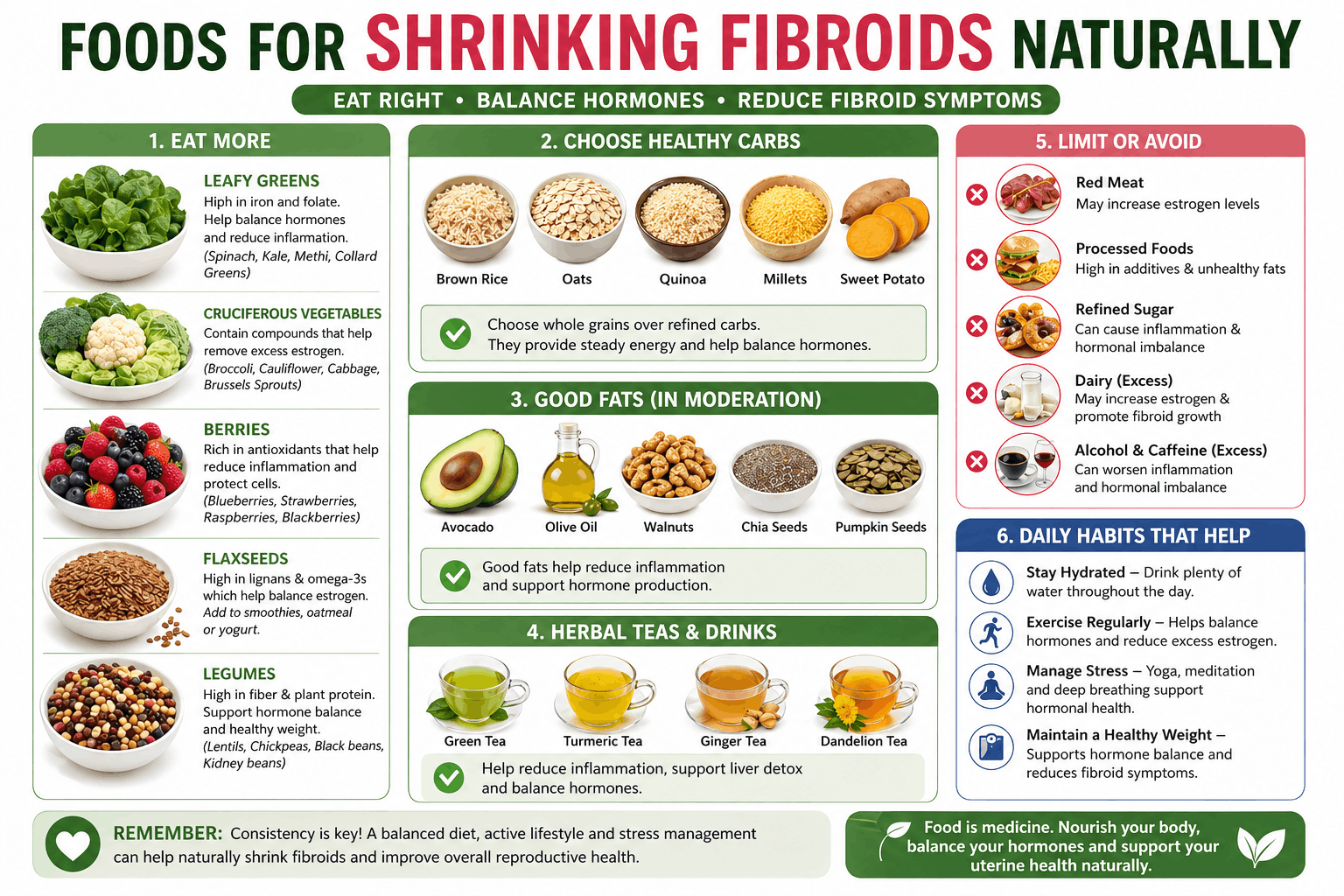
Fibroids are non-cancerous growths in the uterus, and yes—diet plays a direct role in their growth and management. Research shows that a diet rich in fiber like Green leafy vegetables & beans , antioxidants like Berries, apples , and anti-inflammatory foods like Garlic, turmeric, ginger can help regulate estrogen levels, which may reduce fibroid size and symptoms. If you’re searching for foods for shrinking fibroids, the answer starts with what’s on your plate every day.
Many women experience symptoms like heavy periods, pelvic pain, and bloating due to fibroids. While medical treatments exist, dietary changes can support natural healing and improve outcomes alongside clinical care.
Why Choose Dr. Shaileshkumar Garge, Citi Vascular Hospital, KPHB, Hyderabad?
Summary
Fibroids affect up to 70–80% of women by age 50 (NIH data)
They are estrogen-sensitive tumors
Common symptoms include:
Heavy menstrual bleeding
Pelvic pressure
Frequent urination
Book your Appointment here: | Appoinment: |Call +91-7032508468| Whatsapp:+91-7337583901
Here’s the deal—fibroids thrive on hormonal imbalance, especially excess estrogen. Certain foods can either fuel or fight this process.
High-fiber foods help eliminate excess estrogen
Antioxidants reduce inflammation and oxidative stress
Processed foods & red meat may increase fibroid risk
A study published in the American Journal of Clinical Nutrition found that women consuming more fruits and vegetables had a lower risk of developing fibroids.
Food Category |
Examples |
Key Benefits |
Leafy Green Vegetables |
Spinach, kale, broccoli |
Rich in iron & fiber, help detoxify excess hormones, reduce inflammation |
Antioxidant-Rich Fruits |
Berries, apples, oranges, pomegranates |
Fight oxidative stress, support immune health |
Whole Grains |
Oats, brown rice, quinoa |
Stabilize blood sugar, support hormonal balance |
Omega-3 Rich Foods |
Salmon, flaxseeds, walnuts |
Reduce inflammation, may lower inflammatory markers (Harvard Health) |
Legumes & Beans |
Lentils, chickpeas, beans |
High in fiber & protein, help regulate estrogen levels |
Green Tea |
Green Tea |
Contains EGCG, may help reduce fibroid size (Journal of Nutrition, 2013) |
Anti-inflammatory Foods |
Garlic, turmeric, ginger |
Reduce chronic inflammation linked to fibroid growth |
Let’s not sugarcoat it—some foods can make fibroids worse.
Linked to increased fibroid risk
High in preservatives and unhealthy fats
Triggers insulin spikes and hormonal imbalance
May affect estrogen metabolism
Book your Appointment here: | Appoinment: |Call +91-7032508468| Whatsapp:+91-7337583901
Time of Day |
Meal |
Recommended Foods |
Morning |
Breakfast |
Warm lemon water, Oatmeal with berries |
Mid-Morning Snack |
Snack |
Apple + handful of walnuts |
Lunch |
Main Meal |
Brown rice, lentils, spinach curry |
Evening Snack |
Snack |
Green tea + roasted chickpeas |
Dinner |
Main Meal |
Grilled salmon / tofu, steamed broccoli, quinoa |
When diet alone isn’t enough, expert medical care becomes essential. Dr. Shaileshkumar Garge is a highly experienced specialist in minimally invasive fibroid treatments, including uterine artery embolization (UAE).
What sets him apart:
Extensive experience in vascular interventions
Advanced, non-surgical fibroid treatment options
Patient-centered care approach
State-of-the-art facilities at Citi Vascular Hospital, KPHB
Combining the right diet with expert treatment often delivers the best results.
Dr. Shaileshkumar Garge, MBBS, MD, DNB, FRCR (UK), FNVIR (CMC, Vellore), EBIR (Spain, Europe) (Vascular Interventional Radiology) – Vascular & Interventional Specialist at Citi Vascular Hospital, KPHB, Hyderabad. Over 12 years of experience in image‑guided vascular procedures, including PICC line insertion and central‑venous catheter care. Treats 100+ vascular patients per month in KPHB and surrounding areas of Hyderabad.
Patients in Kukatpally, KPHB, and nearby areas can contact Citi Vascular Hospital for affordable Fibroids Kukatpally, with clear pricing and follow‑up protocols.
Stick to a consistent diet plan—don’t jump between trends
Combine diet with regular exercise
Maintain a healthy weight
Track symptoms and dietary changes
Consult a specialist for personalized treatment
Can fibroids shrink with diet alone?
Diet can help manage and potentially shrink fibroids, but results vary. Medical guidance is often needed for larger fibroids.
What is the best fruit for fibroids?
Berries and citrus fruits are excellent due to their antioxidant content.
Is milk good for fibroids?
Low-fat dairy in moderation is generally safe, but excessive intake should be avoided.
How long does it take to see results?
Dietary changes may show effects within 3–6 months, depending on consistency.
Can green tea really shrink fibroids?
Some studies suggest green tea extract may reduce fibroid size, but more research is needed.
Fiber-rich foods help remove excess estrogen
Antioxidants reduce inflammation and support healing
Avoid processed foods and red meat
Consistency in diet leads to better results
Foods for shrinking fibroids include leafy greens, fruits, whole grains, and omega-3-rich foods that help regulate estrogen and reduce inflammation. Avoid processed foods, red meat, and excess sugar for better fibroid management. Combining diet with expert care—such as treatment from Dr. Shaileshkumar Garge—offers the most effective approach.
Book your Appointment here: | Appoinment: |Call +91-7032508468| Whatsapp:+91-7337583901